3769 Columbus Pike Suite 115
Delaware, OH 43015

Could Prescription Eye Drops Help You See Up Close Again? Understanding New Treatments for Presbyopia
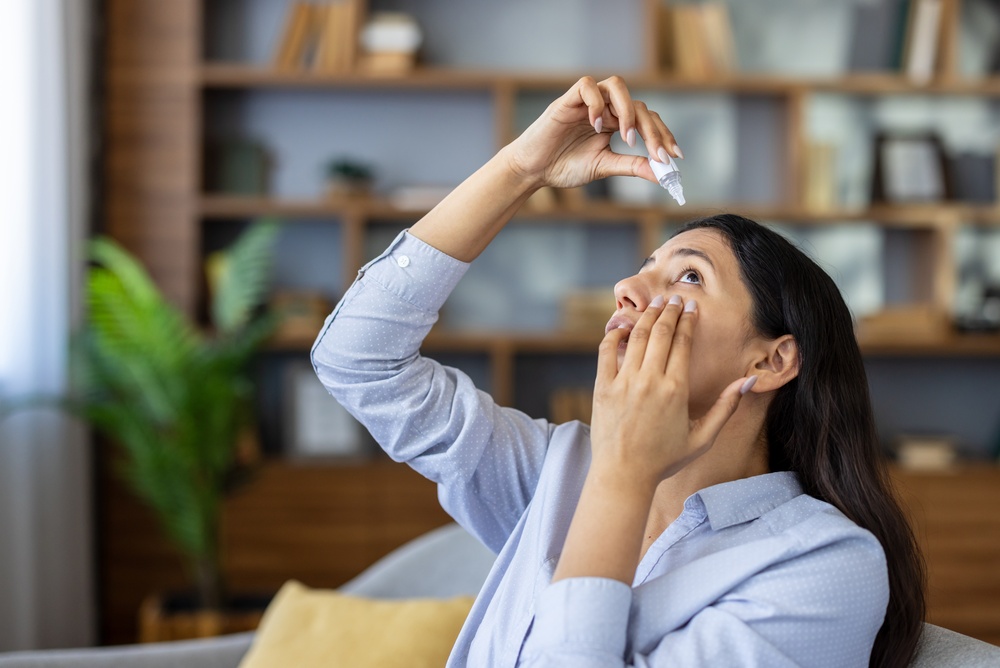
If you've found yourself holding menus farther away, increasing the font size on your phone, or relying more and more on reading glasses, you're not alone.
These changes are often caused by presbyopia, a natural part of aging that affects nearly everyone beginning in their 40s. While reading glasses have long been the go-to solution, exciting advances in eye care have introduced a new option: prescription eye drops designed to temporarily improve near vision.
For many patients, these drops offer greater freedom and flexibility in everyday life.
What Is Presbyopia?
Presbyopia is the gradual loss of the eye's ability to focus on nearby objects. It occurs because the natural lens inside the eye becomes less flexible over time.
Common signs of presbyopia include:
Difficulty reading small print
Holding reading materials farther away
Eye strain or headaches when doing close work
Needing brighter light to read comfortably
Increasing dependence on reading glasses
Presbyopia is a normal part of aging and affects virtually everyone, regardless of whether they've needed glasses in the past.
What Are Prescription Eye Drops for Presbyopia?
Prescription eye drops for presbyopia are designed to temporarily improve near vision by creating a "pinhole effect." The drops work by gently reducing pupil size, increasing depth of focus and allowing many patients to see up close more clearly.
These drops offer a non-surgical option for patients who want an alternative to reading glasses for certain activities throughout the day.
Depending on the specific medication and individual response, patients may notice improved near vision for several hours after using the drops.
Who Might Benefit from Presbyopia Eye Drops?
Prescription drops may be a good option for people who:
Are in the early to moderate stages of presbyopia
Want to reduce dependence on reading glasses
Frequently switch between distance and near tasks
Prefer a non-surgical treatment option
Need occasional help with activities such as reading menus, using a smartphone, or working on a computer
While these drops can be very helpful for some patients, they are not a one-size-fits-all solution. A comprehensive eye examination can help determine whether they are appropriate for your visual needs and lifestyle.
What Are the Benefits?
Patients who are good candidates for presbyopia drops often appreciate the convenience and flexibility they provide.
Potential benefits include:
Improved near vision without immediately reaching for reading glasses
A non-invasive, prescription treatment option
Quick and easy daily use
The ability to maintain an active lifestyle with greater visual freedom
An opportunity to delay or reduce reliance on reading glasses in certain situations
Many patients enjoy having another option available, especially during social events, work meetings, dining out, or travel.
Are There Any Side Effects?
As with any medication, side effects are possible.
Some patients may experience:
Mild headaches
Temporary dimming of vision in low-light environments
Redness or irritation
Difficulty adjusting between lighting conditions
Most side effects are mild, but these medications may not be appropriate for everyone. Certain eye conditions, medications, or lifestyle factors may influence whether prescription presbyopia drops are recommended.
Your eye doctor can review your medical and ocular history to determine if these treatments are safe for you.
Are Reading Glasses Going Away?
Not necessarily.
For many people, prescription drops become another tool in their vision toolkit rather than a complete replacement for reading glasses. Some patients use them daily, while others reserve them for specific occasions when they would prefer not to wear readers.
The goal isn't perfection—it's providing more choices and helping patients find the solution that best fits their lifestyle.
What Other Treatment Options Exist?
In addition to prescription eye drops, presbyopia can be managed with:
Reading glasses
Progressive lenses
Multifocal contact lenses
Monovision contact lenses
Refractive surgical options
Each approach has advantages and limitations. The best treatment depends on your visual goals, daily activities, and overall eye health.
Could Presbyopia Eye Drops Be Right for You?
If you're frustrated by constantly searching for your reading glasses or want to explore alternatives for managing age-related changes in near vision, prescription eye drops may be worth considering.
As eye care continues to evolve, patients have more options than ever before to maintain clear, comfortable vision throughout every stage of life.
A comprehensive eye examination is the best way to determine whether prescription presbyopia drops could help you achieve your vision goals.
If you're interested in learning more about these exciting new treatments, schedule an appointment with our office. We'd be happy to discuss whether prescription eye drops for presbyopia are a good fit for you and help you find the solution that best supports your lifestyle.


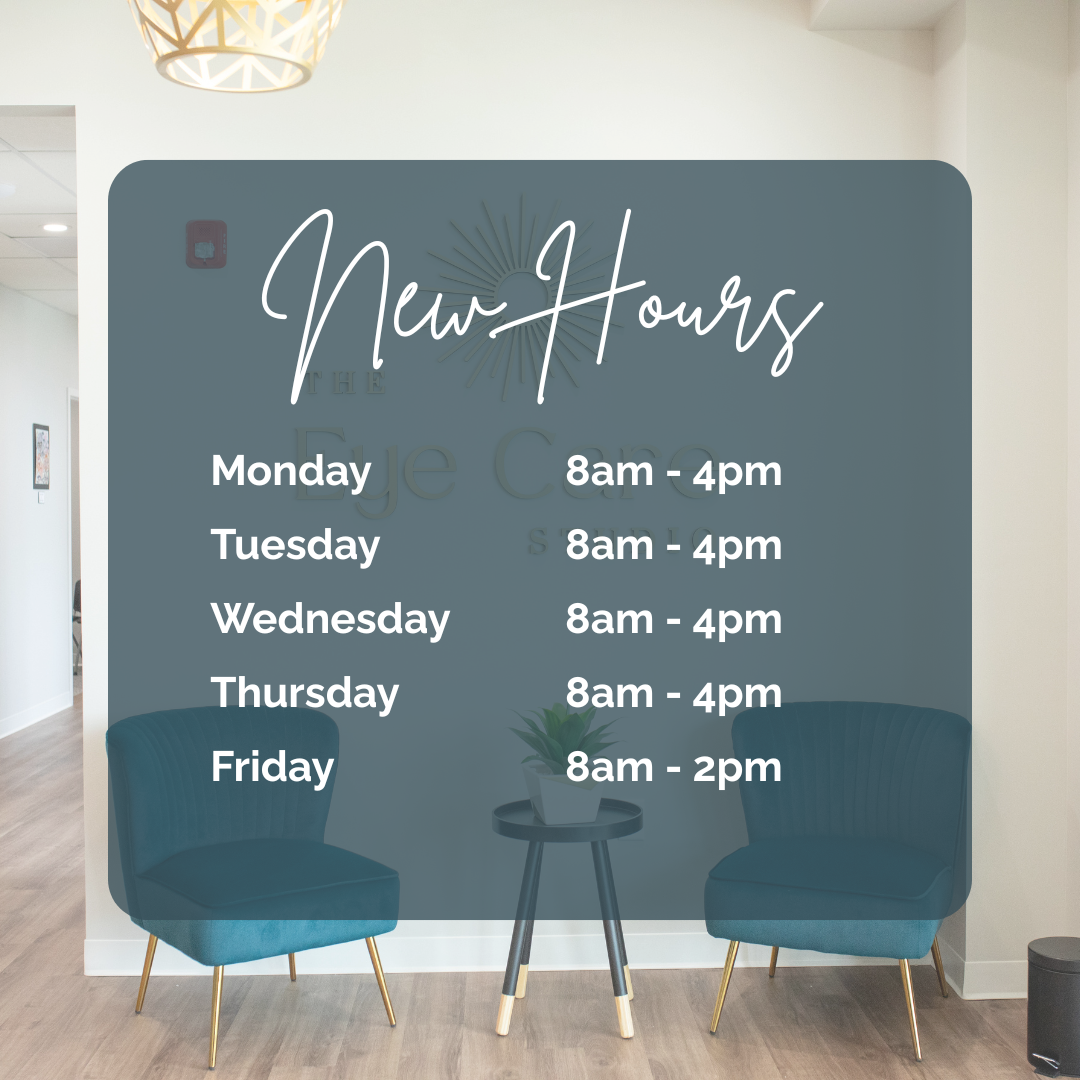
- Monday8:00am - 4:00pm
- Tuesday8:00am - 4:00pm
- Wednesday8:00am - 4:00pm
- Thursday8:00am - 4:00pm
- Friday8:00am - 2:00pm
- SaturdayClosed
- SundayClosed
OUR AFFILIATIONS


© 2026 The Eye Care Studio | All rights Reserved | Accessibility Statement | Privacy Policy | Sitemap
Powered by