3769 Columbus Pike Suite 115
Delaware, OH 43015

The Silent Impact of Blood Pressure on Your Vision
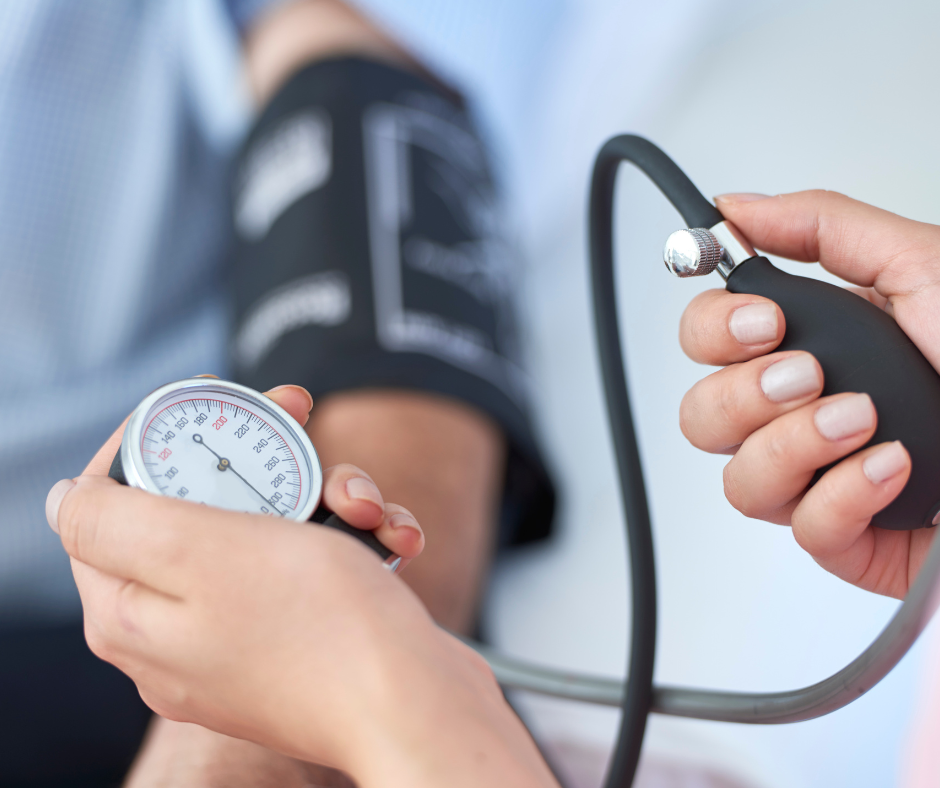
High blood pressure, also known as hypertension, doesn’t just affect your heart and kidneys — it can have a serious impact on your eye health and vision. Because the eyes contain tiny, delicate blood vessels, they are especially sensitive to changes in blood pressure. In many cases, an eye exam can reveal signs of high blood pressure before other symptoms appear.
The Link Between Blood Pressure and Eye Health
Healthy blood flow is essential for maintaining vision. When blood pressure is too high or poorly controlled, it can damage the blood vessels that supply the retina, optic nerve, and other structures of the eye. Over time, this damage can lead to vision changes or permanent vision loss if left untreated.
Hypertensive Retinopathy
One of the most common eye conditions related to high blood pressure is hypertensive retinopathy. This occurs when elevated blood pressure causes the retinal blood vessels to:
Narrow or thicken
Leak fluid or blood
Become blocked
Hypertensive retinopathy often develops without noticeable symptoms in its early stages. As it progresses, patients may experience blurred vision, vision loss, or headaches. Early detection during a comprehensive eye exam is key to preventing permanent damage.
High Blood Pressure and Optic Nerve Damage
Uncontrolled blood pressure can also affect the optic nerve, which transmits visual information from the eye to the brain. Reduced or interrupted blood flow may lead to conditions such as ischemic optic neuropathy, causing sudden or progressive vision loss.
Blood Pressure and Retinal Vein or Artery Occlusions
High blood pressure increases the risk of retinal vein occlusions and retinal artery occlusions, which occur when blood flow to or from the retina is blocked. These events can cause sudden, painless vision loss and require urgent eye care.
Why Annual Eye Exams Are Critical
Because high blood pressure often has no symptoms, a comprehensive eye exam can be one of the first places signs of hypertension appear. During an eye exam, your eye doctor can:
Detect blood vessel changes related to high blood pressure
Identify early signs of hypertensive retinopathy
Monitor the health of the retina and optic nerve
Refer you for medical care if concerning findings are present
For patients with diagnosed hypertension, regular eye exams help track eye health and prevent vision loss.
Protecting Your Eyes from Blood Pressure-Related Vision Loss
To protect your vision:
Maintain healthy blood pressure levels
Follow your primary care provider’s treatment plan
Eat a heart-healthy diet and stay physically active
Avoid smoking
Schedule annual eye exams, or more frequently if recommended
Managing blood pressure is not just about heart health — it’s also essential for long-term vision preservation.
The Bottom Line
High blood pressure can quietly damage the eyes before vision changes are noticeable. Regular eye exams play a vital role in detecting early signs of hypertension-related eye disease and preventing vision loss. Protecting your eyes starts with controlling blood pressure and prioritizing routine eye care.
If you have high blood pressure or are at risk, scheduling a comprehensive eye exam is an important step in safeguarding your vision.
Schedule your comprehensive exam with Dr. Ame Cline at The Eye Care Studio today.
Appointments can be scheduled online or by phone (740) 761-2020.


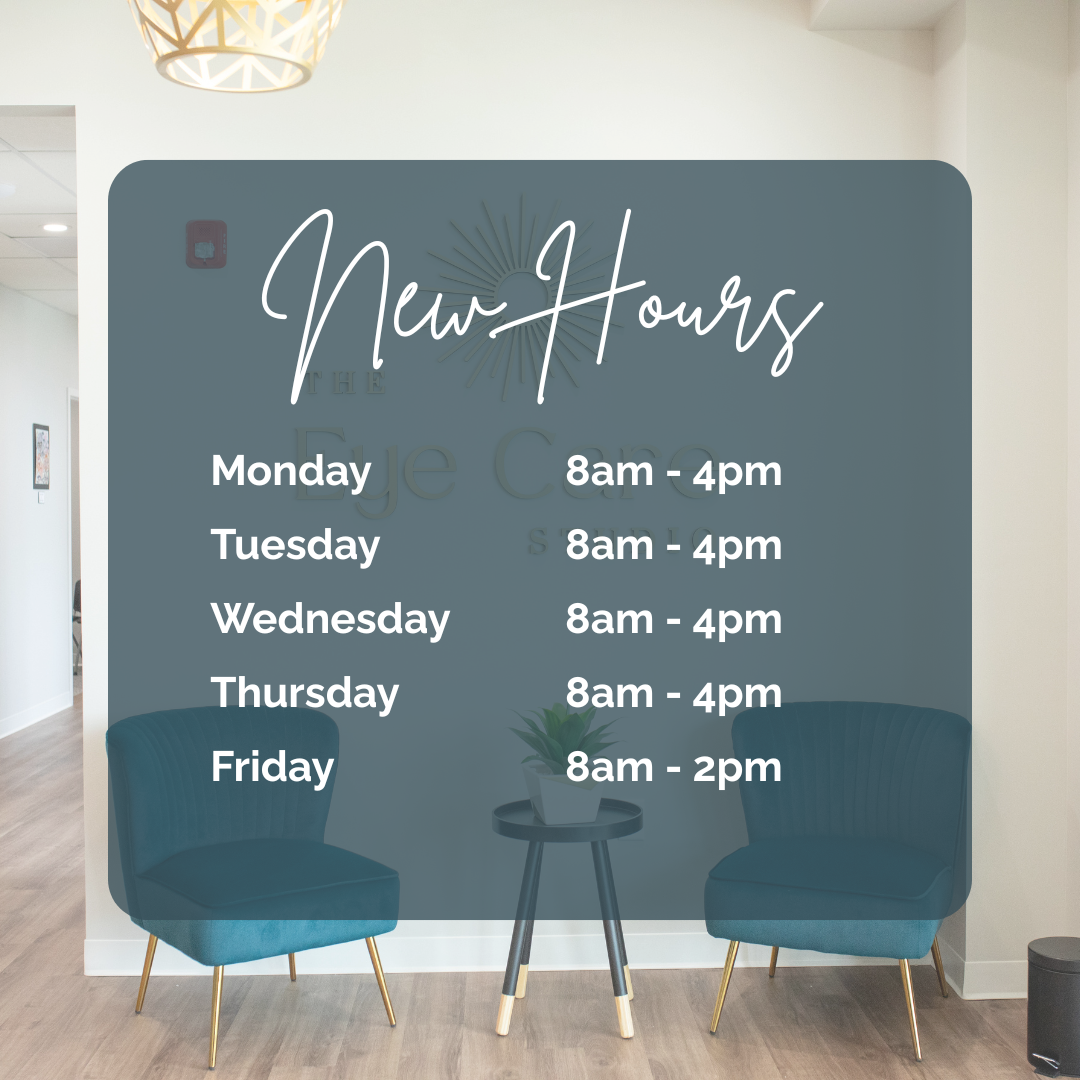
- Monday8:00am - 4:00pm
- Tuesday8:00am - 4:00pm
- Wednesday8:00am - 4:00pm
- Thursday8:00am - 4:00pm
- Friday8:00am - 2:00pm
- SaturdayClosed
- SundayClosed
OUR AFFILIATIONS


© 2026 The Eye Care Studio | All rights Reserved | Accessibility Statement | Privacy Policy | Sitemap
Powered by