3769 Columbus Pike Suite 115
Delaware, OH 43015

How GLP-1 Medications Can Affect Your Eyes: What Patients Should Know
GLP-1 medications (sometimes called “GPL-1 meds”) such as Ozempic®, Wegovy®, Mounjaro®, and Zepbound® are increasingly prescribed for type 2 diabetes management and weight loss. While these medications offer important benefits for blood sugar control and metabolic health, many patients are surprised to learn that GLP-1 drugs can also affect eye health.
Understanding these potential effects — and the importance of routine eye exams — can help protect your vision.
What Are GLP-1 Medications?
GLP-1 receptor agonists work by:
Improving insulin release
Slowing digestion
Reducing appetite
Helping stabilize blood sugar levels
Because blood sugar control is closely linked to eye health, especially in people with diabetes, changes caused by GLP-1 medications can sometimes impact the eyes.
Blurred Vision and Vision Fluctuations
One of the most common eye-related side effects patients report after starting GLP-1 medications is temporary blurred vision. This often occurs when blood sugar levels change rapidly.
When glucose levels shift, the shape of the eye’s natural lens can temporarily change, affecting focus. In many cases, this type of blurred vision improves once blood sugar stabilizes — but it should always be evaluated by an eye care professional.
Diabetic Retinopathy Considerations
For patients with diabetes, especially those with existing diabetic retinopathy, rapid improvements in blood sugar control may temporarily worsen retinal changes. This does not mean GLP-1 medications cause eye disease, but rather that sudden shifts in glucose can stress already-fragile blood vessels in the retina.
This is why regular eye exams are critical for anyone taking GLP-1 medications, particularly if diabetic eye disease is already present.
Dry Eye and Ocular Surface Symptoms
Some patients on GLP-1 medications report dry eye symptoms, including burning, irritation, or fluctuating vision. While research is still emerging, appetite suppression and gastrointestinal side effects may contribute to dehydration or nutrient changes, which can affect tear quality and ocular surface health.
Maintaining hydration and addressing dry eye early can help keep vision comfortable and stable.
Why Annual (or More Frequent) Eye Exams Matter
If you are taking a GLP-1 medication, a comprehensive eye exam allows your eye doctor to:
Monitor for changes related to blood sugar fluctuations
Detect early signs of diabetic eye disease
Address vision changes before they become permanent
Adjust prescriptions if vision shifts occur
Patients starting GLP-1 therapy may benefit from baseline eye imaging, such as retinal photography or OCT, followed by regular monitoring.
Protecting Your Vision While on GLP-1 Medications
If you’re using GLP-1 medications for diabetes or weight loss:
Schedule regular comprehensive eye exams
Report any sudden vision changes promptly
Stay well hydrated
Follow your care team’s guidance for gradual blood sugar control
The Bottom Line
GLP-1 medications can be life-changing for metabolic health, but they may also cause temporary or progressive changes in vision, especially in patients with diabetes. Routine eye care plays a key role in ensuring these medications support your overall health without compromising your sight.
If you are taking or considering a GLP-1 medication, an eye exam is an important part of your preventive care plan.
Schedule your comprehensive exam with Dr. Ame Cline at The Eye Care Studio today.
Appointments can be scheduled online or by phone (740) 761-2020.


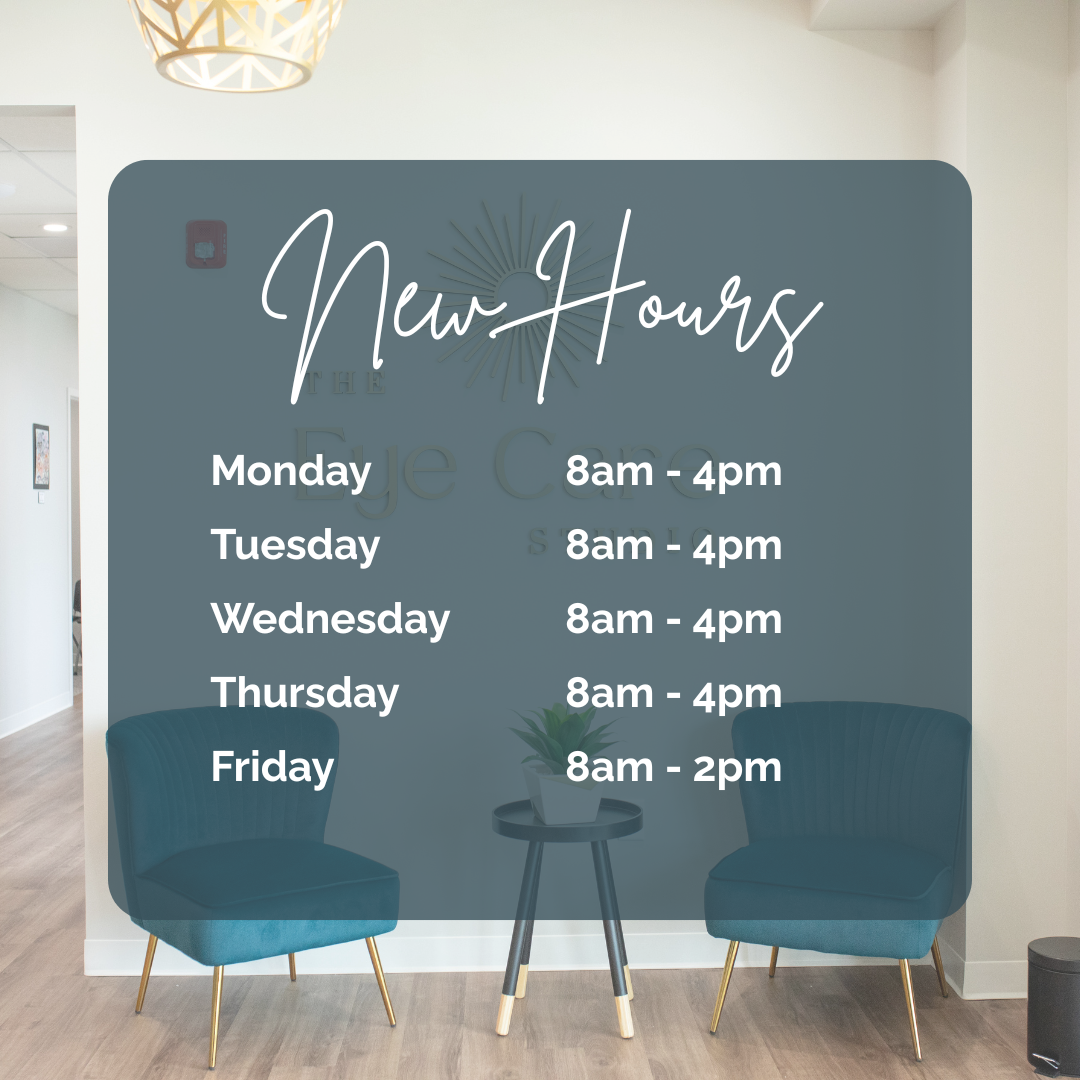
- Monday8:00am - 4:00pm
- Tuesday8:00am - 4:00pm
- Wednesday8:00am - 4:00pm
- Thursday8:00am - 4:00pm
- Friday8:00am - 2:00pm
- SaturdayClosed
- SundayClosed
OUR AFFILIATIONS


© 2026 The Eye Care Studio | All rights Reserved | Accessibility Statement | Privacy Policy | Sitemap
Powered by