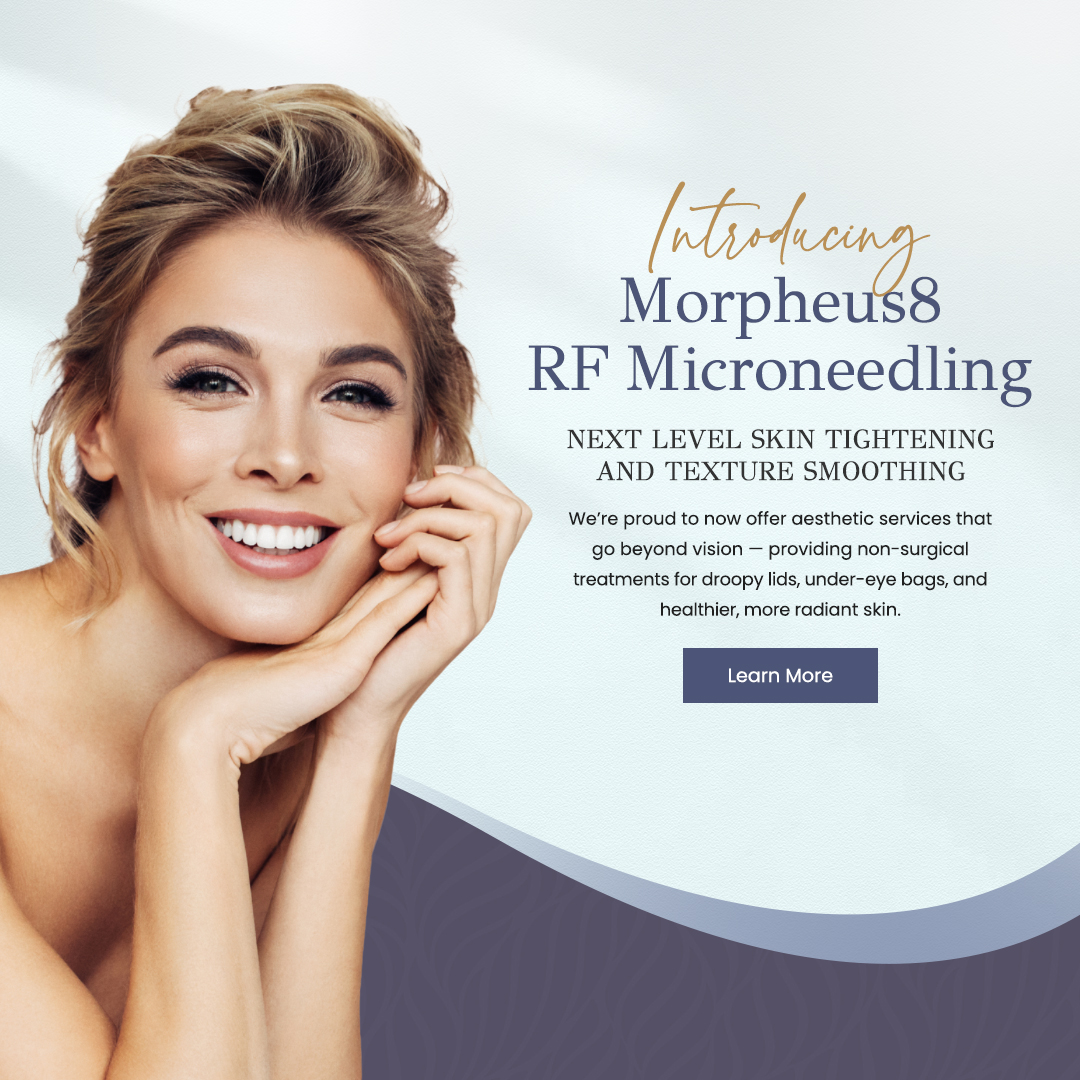
3769 Columbus Pike Suite 115
Delaware, OH 43015

Blog list
The Eye Care Studio Blog
Learn more about optometrist care in our blog!

When we think about autoimmune disease, we often think about symptoms such as joint pain, fatigue, digestive issues, or inflammation. But autoimmune conditions can affect many parts of the body—including the eyes.

When we think about the changes that happen during perimenopause and menopause, we often think about hot flashes, sleep changes, mood changes, or shifts in energy. But hormonal changes can affect another important part of your body that may not get as much attention: your eyes.
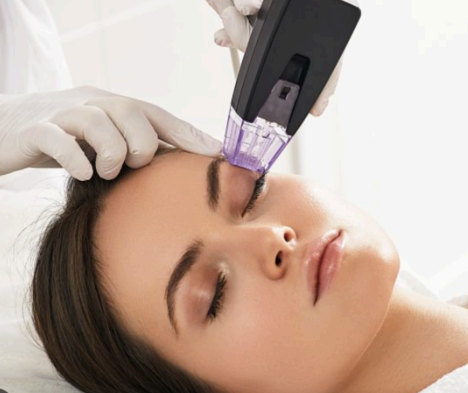
Many people notice subtle changes around their eyes long before they see them anywhere else—heavier eyelids, under-eye bags, crepey skin, or a tired appearance that doesn't reflect how energetic they actually feel. While these concerns are incredibly common, many people hesitate to explore treatment options because they feel intimidated by traditional medspa environments or worry that aesthetic treatments will be painful, overwhelming, or unnatural-looking.
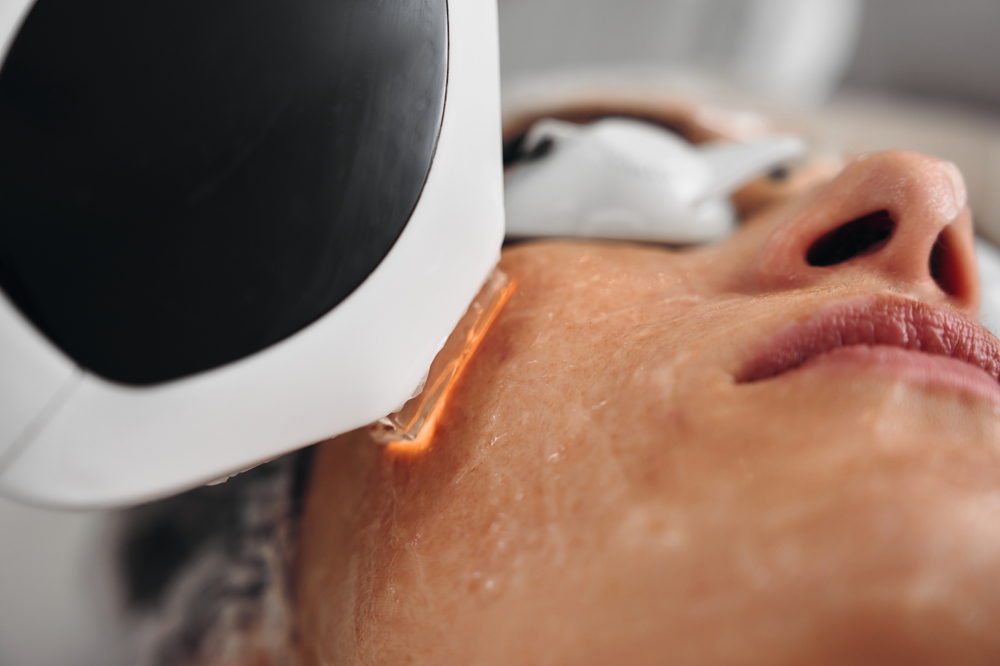
For many people living with dry eye disease, eye drops only provide temporary relief. If you've struggled with burning, irritation, fluctuating vision, or watery eyes despite using artificial tears, the underlying cause may be meibomian gland dysfunction (MGD) or ocular rosacea.

When a child’s glasses prescription gets stronger year after year, it can feel like a normal part of growing up. However, progressive nearsightedness, also called myopia, is more than a vision change. It can affect how the eye develops over time, which is why early myopia management is so important.
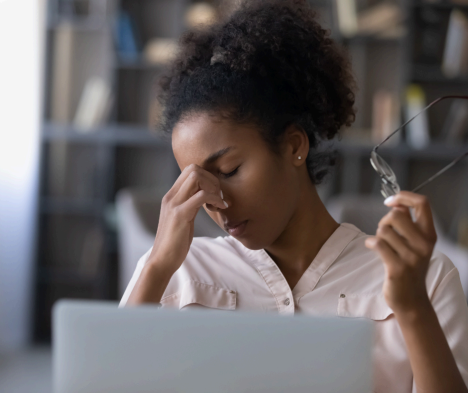
When people think about dry eye disease and ocular surface disease, they often think of artificial tears and eye drops. While these treatments can provide temporary relief, they don't always address one of the most common underlying causes of dry eye: dysfunction of the meibomian glands.
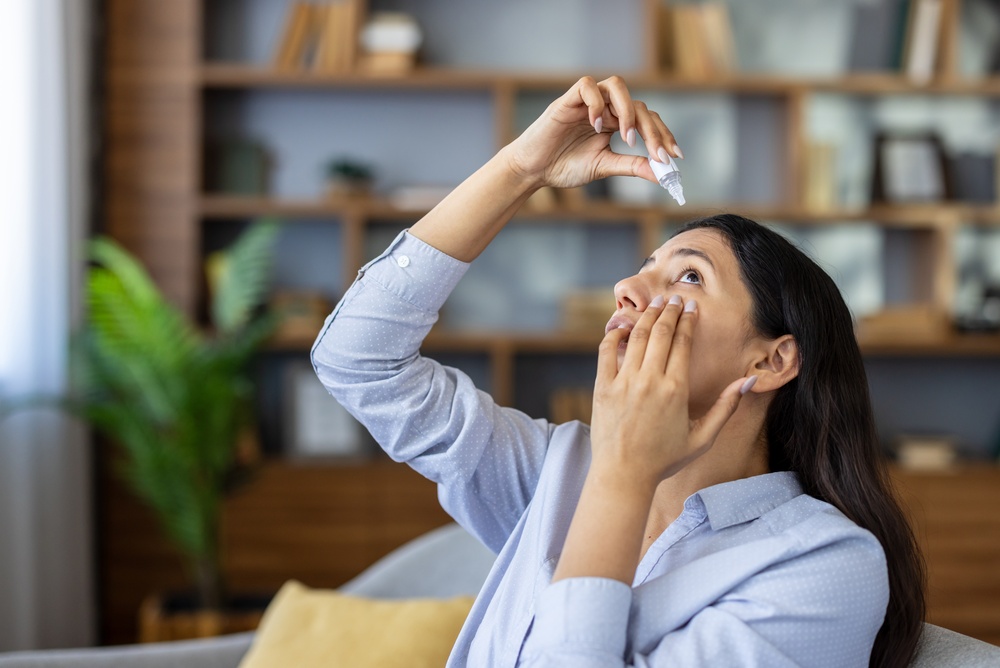
If you've found yourself holding menus farther away, increasing the font size on your phone, or relying more and more on reading glasses, you're not alone.
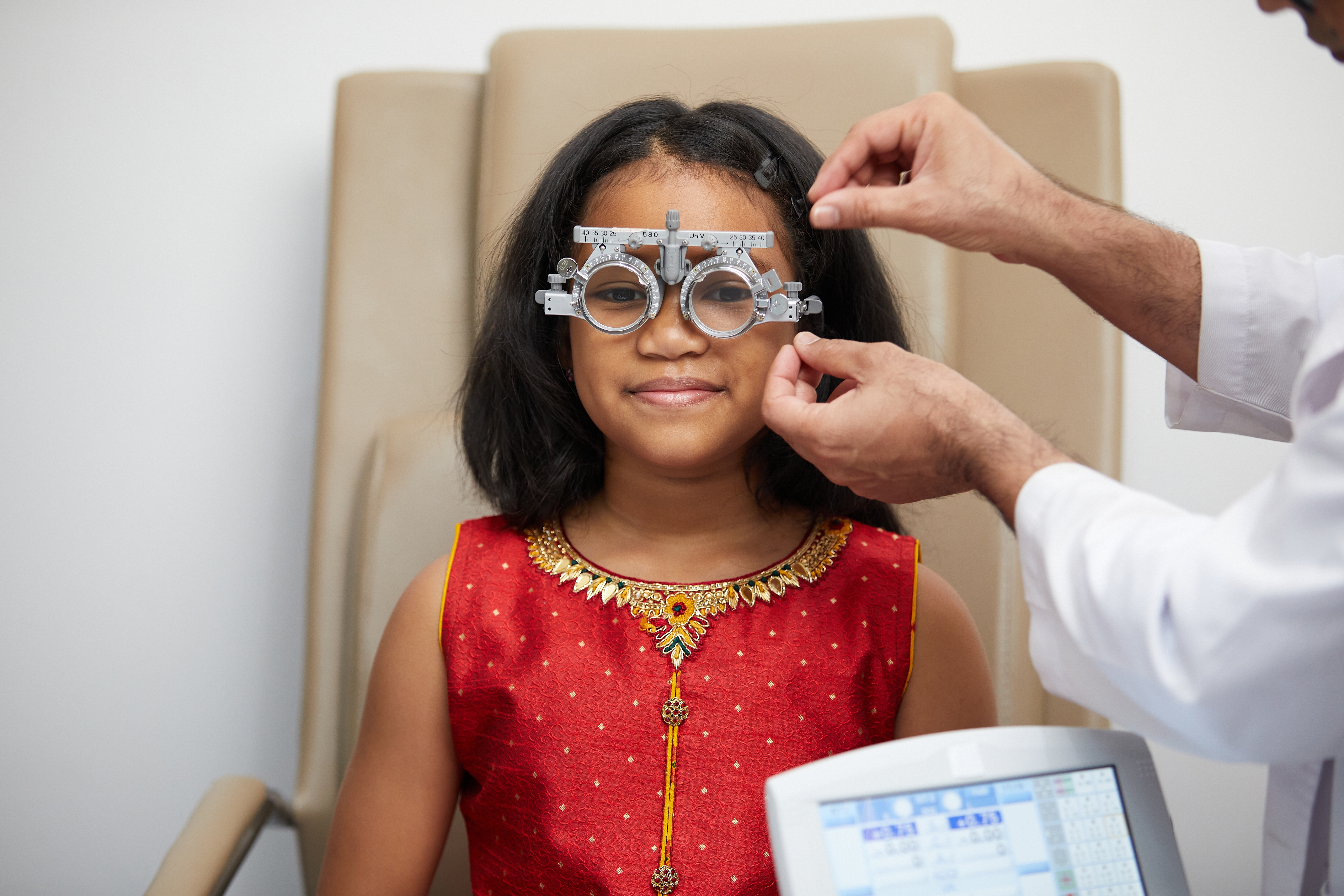
Myopia is more than a vision issue that makes distant objects look blurry. As it progresses, it can increase the risk of more serious eye health problems later in life. For families in Delaware, OH, understanding myopia early and taking steps to manage it can help protect a child’s vision now and in the future.
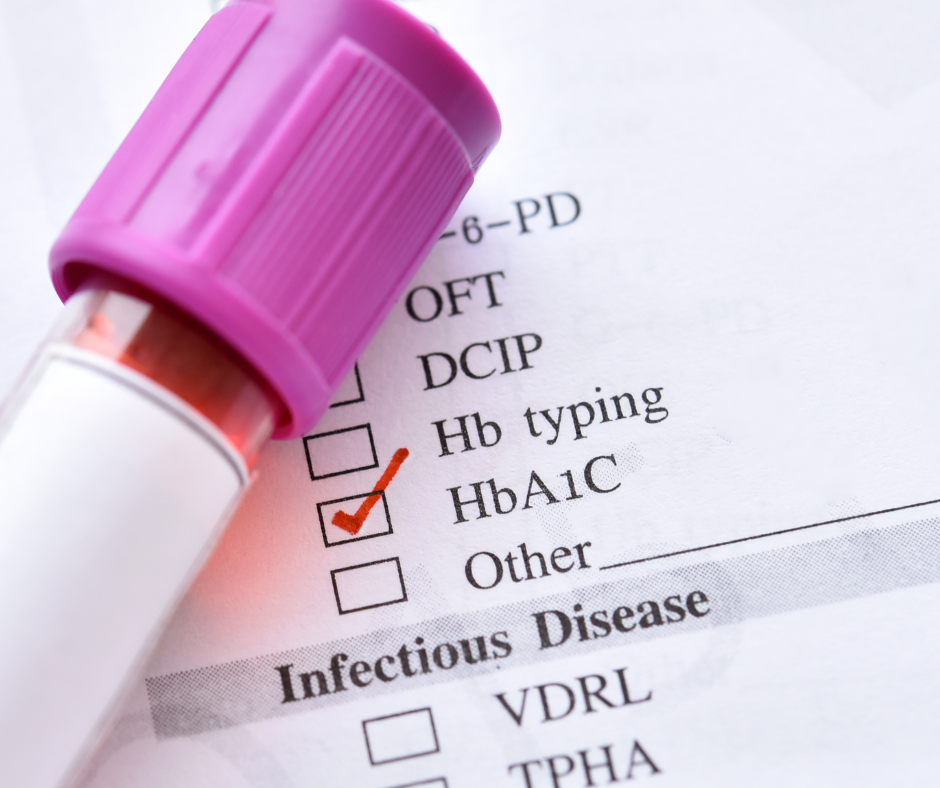
GLP-1 medications (sometimes called “GPL-1 meds”) such as Ozempic®, Wegovy®, Mounjaro®, and Zepbound® are increasingly prescribed for type 2 diabetes management and weight loss. While these medications offer important benefits for blood sugar control and metabolic health, many patients are surprised to learn that GLP-1 drugs can also affect eye health.
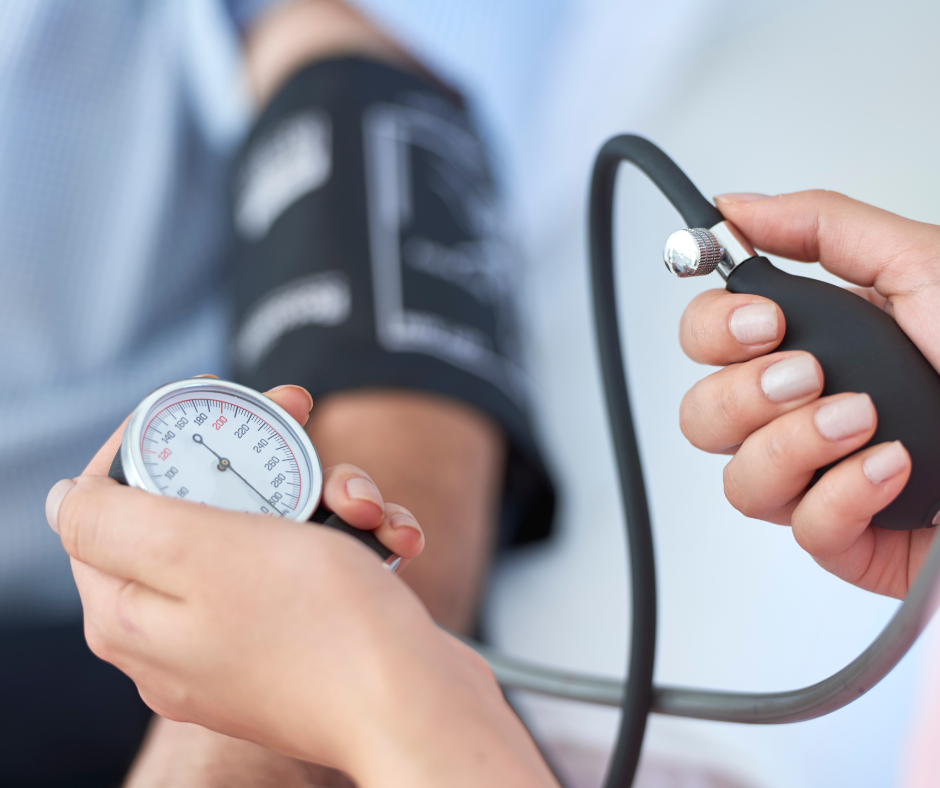
High blood pressure, also known as hypertension, doesn’t just affect your heart and kidneys — it can have a serious impact on your eye health and vision. Because the eyes contain tiny, delicate blood vessels, they are especially sensitive to changes in blood pressure. In many cases, an eye exam can reveal signs of high blood pressure before other symptoms appear.


- Monday8:00am - 4:00pm
- Tuesday8:00am - 4:00pm
- Wednesday8:00am - 4:00pm
- Thursday8:00am - 4:00pm
- Friday8:00am - 2:00pm
- SaturdayClosed
- SundayClosed
OUR AFFILIATIONS


© 2026 The Eye Care Studio | All rights Reserved | Accessibility Statement | Privacy Policy | Sitemap
Powered by